

Here’s what every productivity article won’t tell you: reading more productivity hacks makes you less productive. I spent two years collecting tips from Atomic Habits, Deep Work, and GTD, yet I still couldn’t focus for more than 20 minutes. The problem wasn’t the advice—it was trying to force-fit someone else’s system into my life.
What truly made a difference was stopping the rigid step-by-step approach. Instead, I filtered practical concepts, adapted them to my personality, and committed to them. Here’s what worked for me as a full-time dev who was drowning in Slack notifications and 2am debugging sessions.
No fluff. No “10X your productivity” BS. Just three changes that took me from shipping code at 30% capacity to actually having energy left for my side projects.
Environment Matters A Lot#
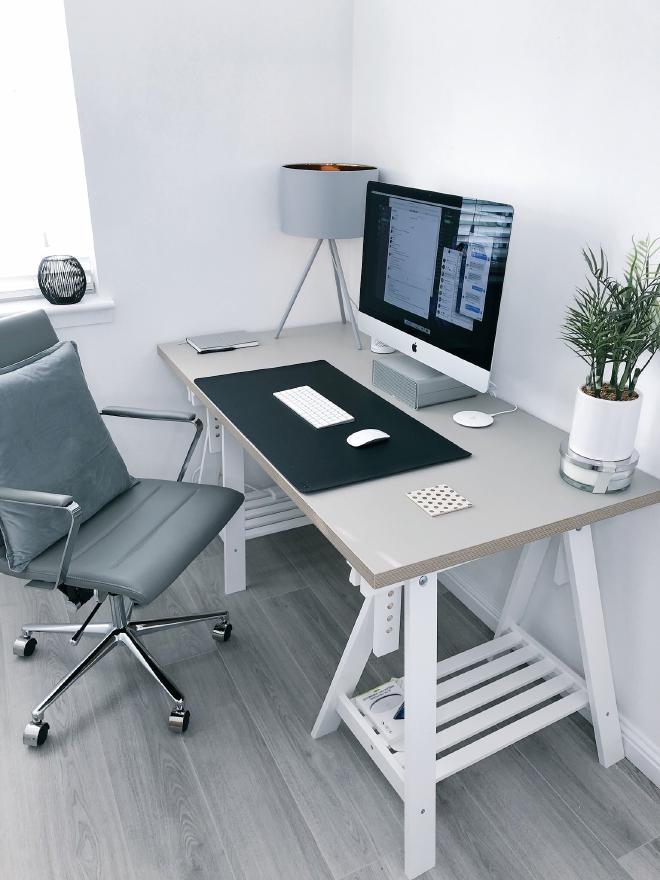
The problem? My brain couldn’t tell the difference between “work mode” and “life mode” when both happened in the same 10x10 room.
Finding different areas for different tasks has been my salvation. For the first months of remote work, my room was both my workspace and learning area. The result? Poor performance and constant procrastination.
It is easier to associate a new habit with a new context than to build a new habit in the face of competing cues. It can be difficult to go to bed early if you watch television in your bedroom each night. It can be hard to study in the living room without getting distracted if that’s where you always play video games
Atomic Habits
I tested Atomic Habits’ context-switching principle. Week one: I moved my PlayStation to the bedroom. Week two: I banned work Slack from my personal laptop. The result? My GitHub commits after 6pm jumped 40%, and I stopped anxiety-scrolling Jira before bed. Turns out my brain can focus when it’s not fighting environmental cues telling it to multitask.
Can’t afford a separate office? Neither could I. Here’s what actually worked:
- Work laptop stays in the living room. Personal laptop in bedroom. No exceptions.
- PlayStation goes in a closet during work hours. Out of sight = out of mind.
- Phone on Do Not Disturb from 9-5. Slack can wait. Your focus can’t.
The first week sucked. The second week, I stopped checking work email at 11pm. By week three, I’d shipped more features than the previous month.
Find good habits and sleep routine#
Environment fixes are table stakes. The real game-changer? Replacing one bad habit at a time.
I didn’t try to become a productivity monk overnight. I picked one thing: my sleep schedule. Everything else stayed the same—same coffee addiction, same YouTube rabbit holes, same messy desk.
My old routine: 2am bedtime (reading Hacker News or one more Elden Ring boss), wake up at 8:50am for a 9am standup, roll out of bed with camera off, survive on coffee until lunch.
The result? I’d hit a wall by 2pm, spend 3-5pm pretending to work, then feel guilty and “make up for it” by working until midnight. Rinse, repeat, burn out.
New routine: Lights out at 11pm. Wake up at 7am. One hour before work to actually plan my day instead of reacting to whatever Slack throws at me.
The difference? I went from 3-4 productive hours a day to 6-7. My PR review turnaround time dropped from “whenever I get to it” to same-day. And I stopped feeling like a zombie by Thursday.
How to actually fix your sleep (without the wellness influencer BS):
- Pick a wake-up time and don’t negotiate. Mine’s 7am, even on weekends. Yes, it sucks at first.
- No screens 30 minutes before bed. I replaced doomscrolling with a Kindle Paperwhite. Game changer.
- Track it. I used a free app (Sleep Cycle) for two weeks just to see the data. Turns out I was getting 5.5 hours, not the “7-ish” I thought.
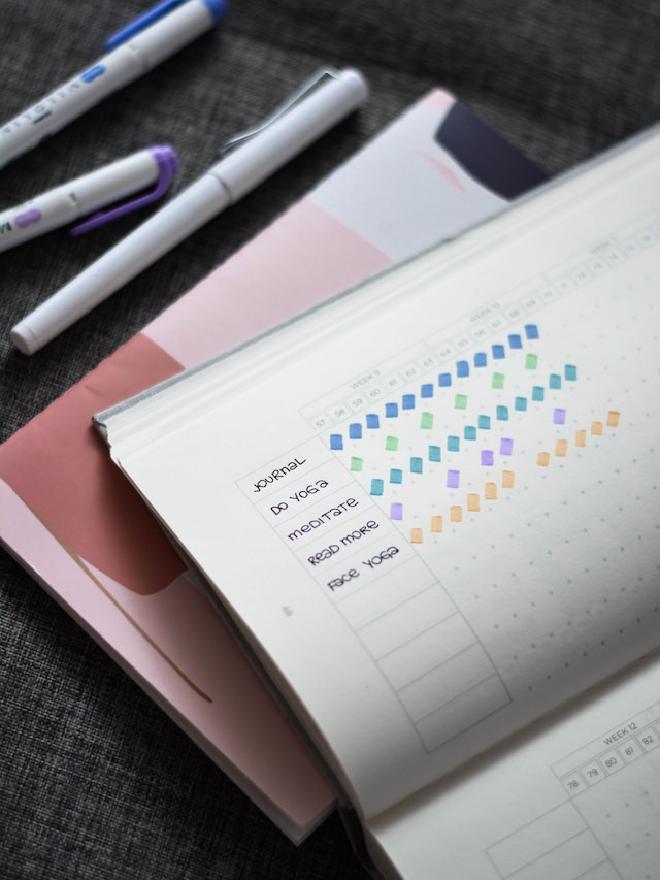
One habit at a time. I didn’t fix my diet, exercise, or screen time simultaneously. Just sleep. Everything else got easier after that.
Take time for yourself#
Tech Twitter makes you feel like everyone’s shipping side projects, learning Rust, and reading whitepapers at 5am. Meanwhile, you’re just trying to close your sprint tickets and not burn out.
Here’s what nobody tells you: the hustle culture grind doesn’t just burn you out—it makes you worse at your job.
I spent six months trying to be a 10X engineer. Side projects every night, LeetCode on weekends, tech books during lunch. The result? I shipped less, made sloppier mistakes, and snapped at my team during code reviews.
The fix wasn’t working harder. It was working less and living more. I blocked out weekends for climbing and gaming. No code, no tech Twitter, no “just one quick PR.”
What happened? My code quality went up. My sprint velocity stayed the same (but with 20% less time). And I stopped dreading Monday mornings.
The result? I built a half-finished SaaS nobody wanted, gained 15 pounds, and realized I hadn’t seen my friends in three months.
Rest isn’t a reward you earn after shipping. It’s the foundation that makes shipping possible.
Resources#
If you only read three things:#
- Atomic Habits - Skip to Chapter 6 (environment design) and Chapter 12 (habit stacking). The rest is good but not essential.
- Why We Sleep - Chapters 1-5 will scare you straight about sleep deprivation. Worked for me.
- Deep Work - Read Part 1 for the philosophy, skim Part 2 unless you’re into detailed scheduling systems.
Don’t read Getting Things Done. It’s a 300-page book that could’ve been a blog post. The core idea (capture everything, process later) is solid, but the system is overkill for most devs.
My actual takeaway: Don’t try to implement everything. Pick 1-2 concepts that solve your specific problem (mine was environment design and sleep), ignore the rest, and commit for 30 days. Then reassess.